

Gynecomastia - Breast reduction in men
Gynecomastia is a benign enlargement of breast tissue in men, often resulting from a hormonal imbalance between estrogen and testosterone. It can occur at any age and be caused by various factors such as adolescence, aging, certain medications, or medical conditions. Treatment varies depending on the cause and may include lifestyle changes, medication, or surgery.
Gynecomastia: Male Breast Reduction

Gynecomastia typically follows these stages:
Appearance: It begins as a small lump or area of firm tissue under the nipple, which may be tender to the touch. It may develop asymmetrically, affecting one or both breasts.
Stabilization: Gynecomastia may stabilize without further progression, with this phase lasting several months to several years.
Regression or persistence: In some people, it may regress spontaneously, especially if it is due to temporary hormonal fluctuations, such as those of adolescence. If it is caused by persistent factors (medications, underlying diseases), it may persist or progress.
Treatment: If gynecomastia causes discomfort or cosmetic concerns, treatments may be considered. These include medication adjustments, hormonal treatments, or, in some cases, surgery to remove excess breast tissue.
The procedure and technique used by Dr. Danino varies depending on the age of the patient, the underlying causes and how quickly these causes are identified and treated.
Progress of a Gynecomastia Treatment in Montreal by Dr. Danino
Initial Consultation
Evaluation and Discussion: During the initial consultation for gynecomastia, Dr. Danino takes a detailed medical history and performs a complete physical examination. Blood tests and imaging studies, such as a mammogram or ultrasound, may be ordered to assess hormone levels and breast tissue structure.
Procedural Planning: Dr. Danino presents the various gynecomastia treatment options, expected outcomes, potential risks, and recovery steps. A personalized surgical plan is then developed.
Preoperative Preparation
Medical Examinations: Before the operation, preoperative tests, such as blood work and possibly an electrocardiogram (ECG), are performed to assess the patient's overall health.
Preoperative Instructions: The patient receives specific instructions regarding medications to avoid, fasting requirements before the procedure, and other precautions to follow. It is also often recommended to stop smoking several weeks before surgery to improve healing.
The Surgical Procedure
Anesthesia: On the day of the procedure, the patient is placed under general anesthesia or local anesthesia if the case is minor.
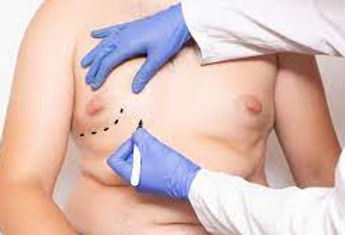
Incisions: During gynecomastia surgery, several types of incisions can be made depending on the technique used and the amount of tissue to be removed:
Periareolar incision: An incision is made around the areola (the pigmented area surrounding the nipple). This technique is commonly used for mild to moderate cases of gynecomastia and allows direct access to the breast tissue for excision.
Inframammary incision: An incision is made in the crease under the breast. This method is used for more severe cases where a larger amount of tissue needs to be removed. It also allows for better concealment of the scar.
Assisted liposuction: Small incisions are made to insert a cannula (thin tube) to suction out excess fatty tissue. This technique is often used in combination with excision for better results.
The choice of incision will depend on the extent of the gynecomastia, the amount of excess skin, and the surgeon's recommendation to achieve optimal cosmetic results while minimizing visible scarring.
Post-operative care:
Recovery room: After the procedure, the patient is monitored in the recovery room until fully awake and stable.
Hospitalization: Gynecomastia surgery is performed on an outpatient basis (same-day surgery).
Home care: The patient receives detailed instructions on home care, including managing drains (if used), taking pain medication, and precautions to avoid complications.
Medical Follow-up: Regular follow-up appointments are scheduled to monitor healing, remove sutures, and ensure the patient is recovering properly.
Results and Scarring
Immediate Results: While the improved silhouette is visible immediately, the breasts may be swollen and bruised.
Long-Term Results: Final results appear gradually as swelling subsides and scars fade, which can take several months.
Scars: Scars improve over time and can be minimized with proper care and possibly additional treatments such as laser therapy or scar creams.
Type of Gynecomastia
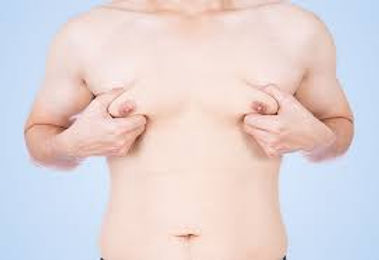
There are mainly two types of gynecomastia depending on the composition of the affected tissue:
Central Upper Lip Lift
This central upper lip lift technique shortens the central part of the upper lip. The red lip is inverted and therefore higher, it appears thicker and therefore less thin.
The scar is imperceptible and hidden around the nostrils.
Lifting the Corners of the Mouth
This technique involves raising the corners of the upper lip, also called corners of the lips. This intervention allows the drooping corners to be raised. The scars are small but more noticeable than the central upper lip lift.
Foire aux questions
